
The release of the first human reference genome in 2003 marked the beginning of the post-genomics era when genetics progressed beyond gene-centered analyses to a myriad of omics approaches. Genome sequencing technologies have advanced dramatically from Sanger, second/next-generation, to third-generation sequencing platforms. Also, genome assembly methods and tools have evolved contemporaneously, resulting in a dramatic drop in genome assembly cost. Consequently, more than 360 plant species’ genomes have been assembled ever since the first plant genome, Arabidopsis thaliana, was published in 2000.
“Oh, my Genes”: Lessons from Plant Genetics and Genomics for Trait Improvement
In recent years, genetics and genomics has played an important role in facilitating the genetic improvement of plants. Different tools have been developed to examine the structure, function, and properties of genes controlling complex traits. The genetic diversity of germplasm found in existing gene banks through different breeding populations such as core collections, nested association mapping panels, mutants, recombinant inbred lines, and multiparent advance generation intercross populations in germplasm banks served as sources of desirable alleles for plant breeding.
Call for applications: 2019-2020 Bioinformatics Training and Internship Program (Batch 04: Jan-Feb)
Student applicants must be undergraduate or graduate students in good academic standing, enrolled in a science or engineering course at an accredited college or university in the Philippines. Young professional applicants must have a BS degree in a science or engineering field, and be a researcher and/or faculty member employed at a research or higher education institution in the Philippines.
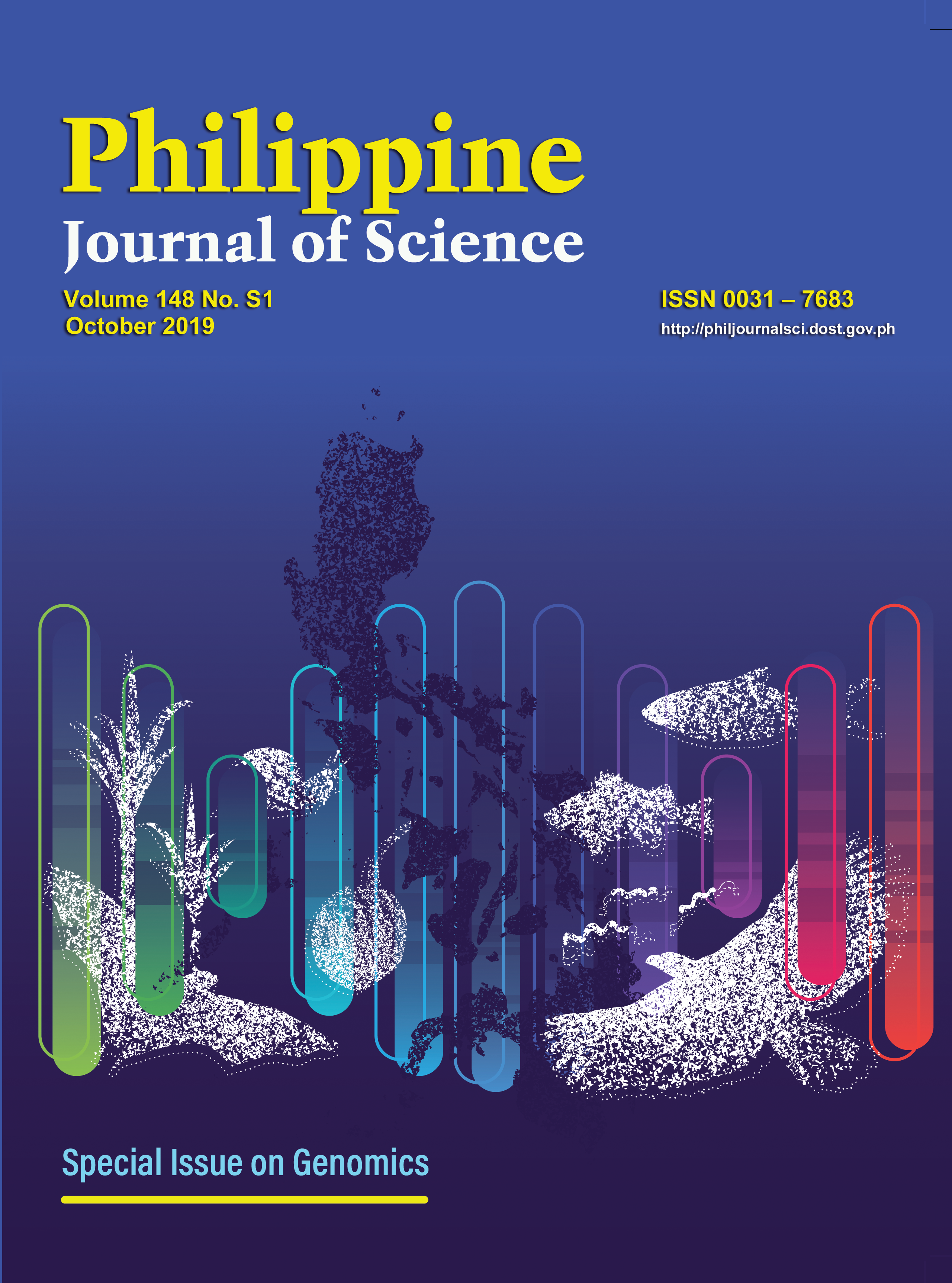
Philippine Journal of Science Special Issue on Genomics
This special issue’s cover is accompanied by the different species covered by the studies in this journal.
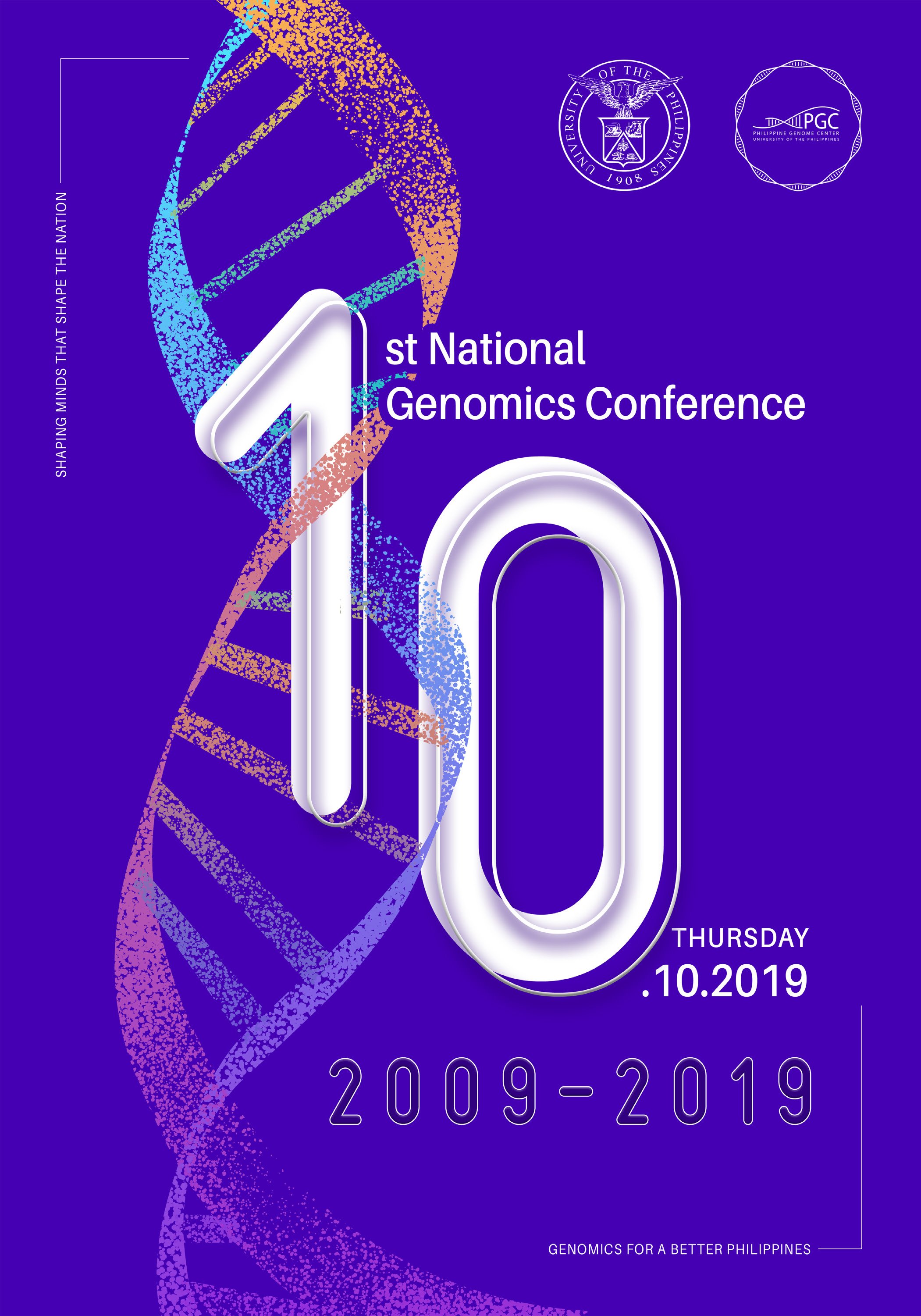
1st National Genomics Conference Souvenir Program
Themed “Omics research in the next 5 years with the Philippine Genome Center”, the conference was organized to showcase the current and ongoing research programs of the Center. By engaging researchers, academics, decision-makers, and other stakeholders, PGC is bringing #PGCTalks to institutions keen on multi-omics research.
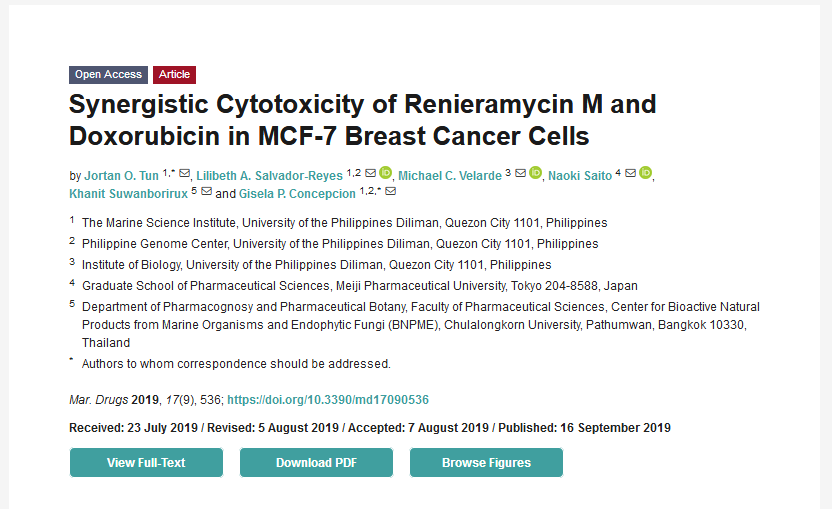
Synergistic Cytotoxicity of Renieramycin M and Doxorubicin in MCF-7 Breast Cancer Cells
Renieramycin M (RM) is a KCN-stabilized tetrahydroisoquinoline purified from the blue sponge Xestospongia sp., with nanomolar IC50s against several cancer cell lines. Our goal is to evaluate its combination effects with doxorubicin (DOX) in estrogen receptor positive MCF-7 breast cancer cells.
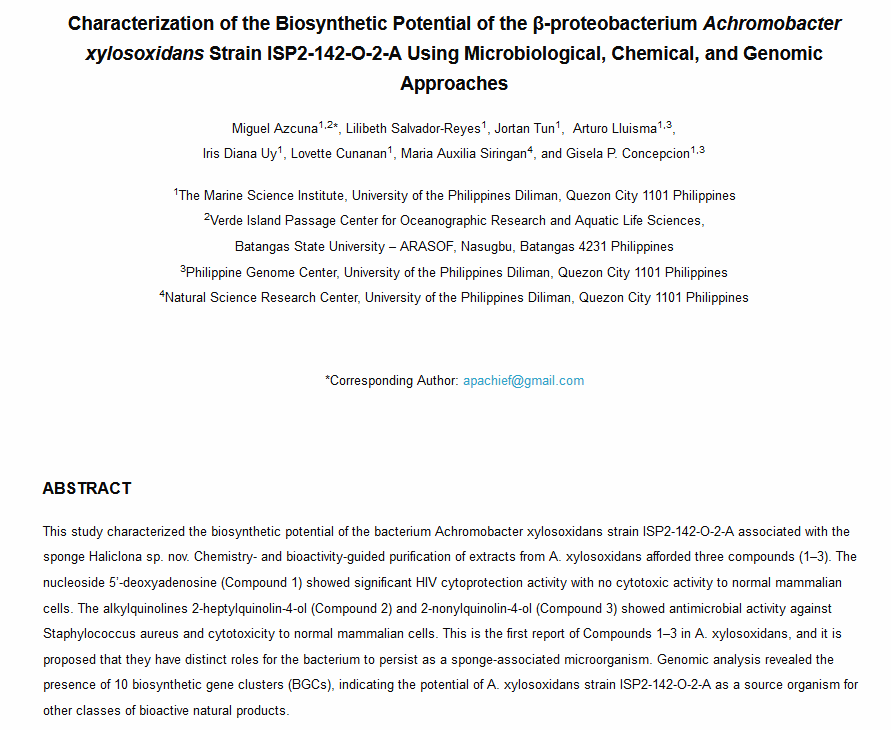
Characterization of the Biosynthetic Potential of the β-proteobacterium Achromobacter xylosoxidans Strain ISP2-142-O-2-A Using Microbiological, Chemical, and Genomic Approaches
This study characterized the biosynthetic potential of the bacterium Achromobacter xylosoxidans strain ISP2-142-O-2-A associated with the sponge Haliclona sp. nov. Chemistry- and bioactivity-guided purification of extracts from A. xylosoxidans afforded three compounds (1–3).
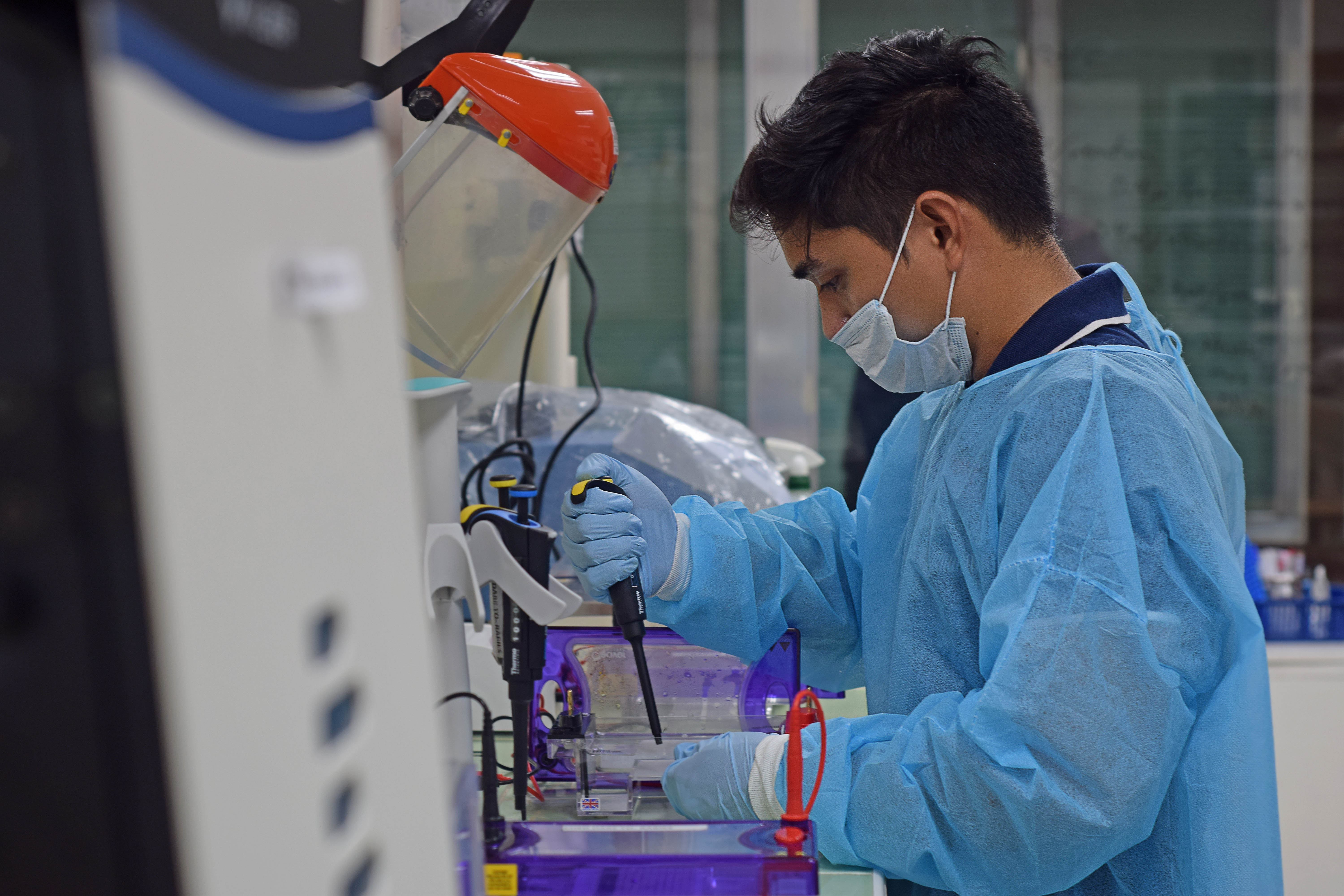
Omics: Unraveling Mindanao’s DNA
Scientific research in Mindanao took a big leap last February as the Philippine Genome Center (PGC), a research center of the University of the Philippines (UP) System based in Diliman, Quezon City, established its first satellite facility in the island region.
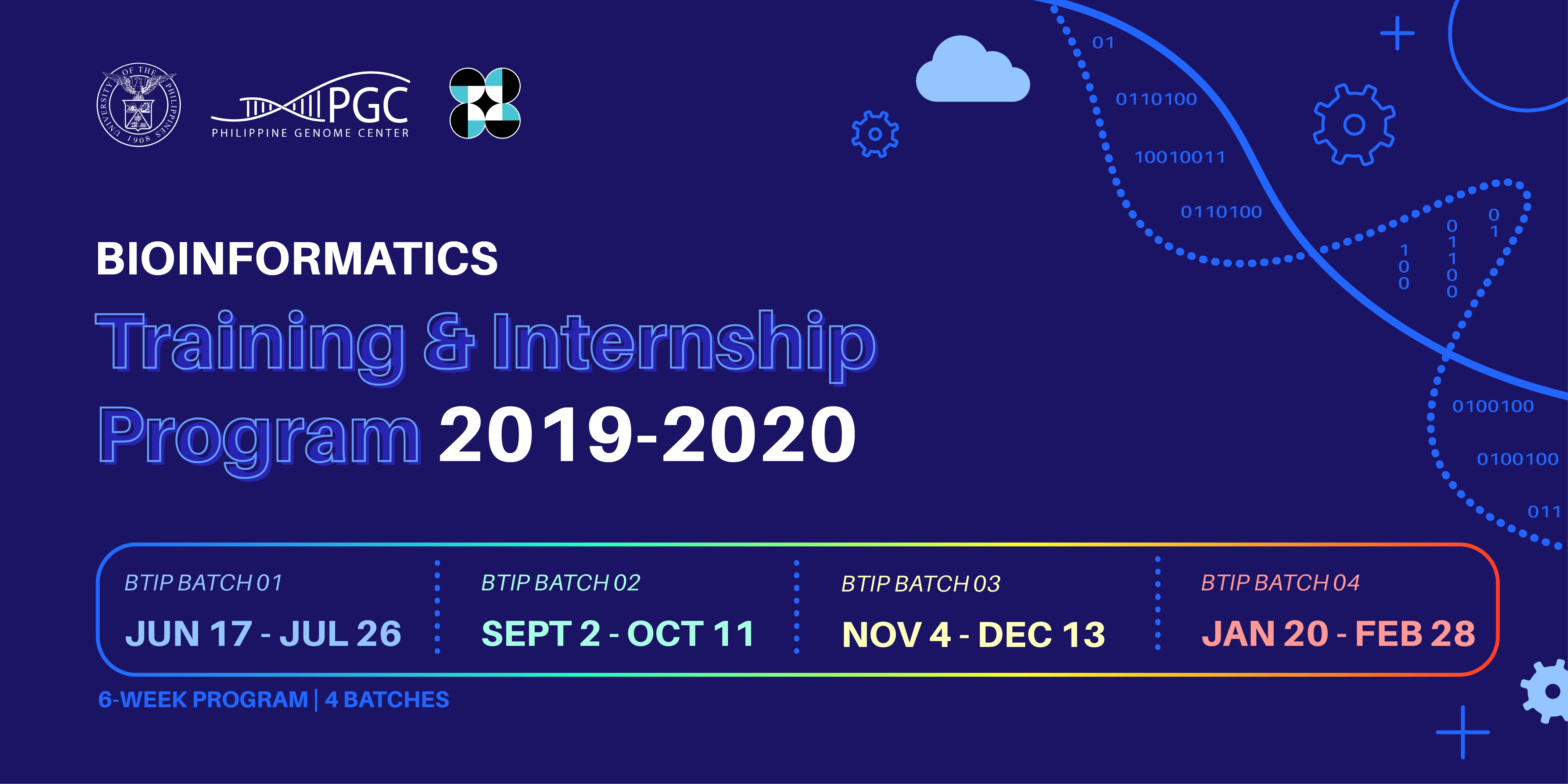
Application Deadline for 2nd, 3rd and 4th Batch of the Bioinformatics Training and Internship Program 2019-2020
The program extends to four (4) batches which will be held throughout 2019-2020. The training of the first batch will run from June 17-July 26 , 2019.
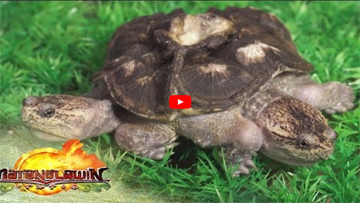
Matanglawin: polycephaly in animals
Dr. Cynthia Saloma during an episode of the TV program, Matanglawin last June 23, 2019 elaborates the rationale behind polycephaly (condition of having more than one head) in animals like the snapping turtle.