
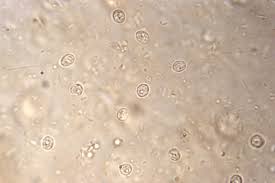
Cryptosporidium is increasingly being recognized as an important cause of diarrhea worldwide. Although well known for its impact among HIV positive population, improved diagnostic tests have contributed to its emerging recognition one among the most prevalent causes of early childhood moderate to severe diarrhea, persistent diarrhea, and impaired neurocognitive development.
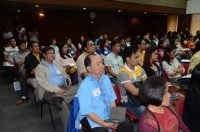
Agrigenomics Symposium
Researchers from various research institutions in Luzon attended the recently conducted symposium on genomic advancements in agriculture.

Pinay scientists in career-related talks at DOST’s National Science and Technology Week
Four successful scientists and alumni of the Department of Science and Technology’s Philippine Science High School (DOST-PSHS) will give career-related talks on July 27, 2015 at the Outcome 7 Exhibit Area, SMX Convention Center, Mall of Asia, Pasay City, in celebration of the weeklong National Science and Technology Week (NSTW).

Metagenomics Analysis Workshop
On June 9-11, the Philippine Genome Center through its DNA Sequencing Core Facility (DSCF) and Core Facility for Bioinformatics (CFB) conducted a three-day workshop entitled “Introduction to (Meta)Genomics Analysis”.
Metagenomics is the study of genetic material recovered directly from environmental samples. The broad field may also be referred to as environmental genomics, ecogenomics or community genomics (https://en.wikipedia.org/wiki/Metagenomics). Select researchers and staff from DOST’s Industrial Technology Development Institute were treated to the concepts and tools in metagenomics as well as hands-on exercises in bioinformatics and DNA sequencing.
The DNA of the Philippine Genome Center
In a 21.9-hectare lot within the University of the Philippines campus in Diliman, Quezon City, a new hub for science and technology education and scientific research is envisioned to be the home of the country’s future scientists. The vast space with few buildings and big dreams called the National Science Complex received a P1.7-billion budget from the government when it was unveiled in 2011.
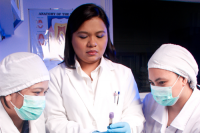
Concerted efforts to increase forensic scientists in PH
The University of the Philippines (UP) and the Department of Science and Technology (DOST) continue to champion science and technology applications to benefit the country.
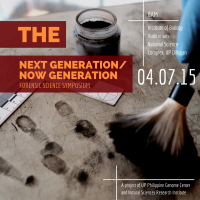
Esteemed forensic scientists in UP symposium
Forensic science is the scientific method of gathering and examining information about the past. It has been made popular with the emergence of television series on crime scene investigation, law profession and court room drama.

A big step in health and agriculture research
With the opening of the Philippine Genome Center (PGC) in 2012, basic and applied research for health diagnostics, therapeutics, DNA forensics and drug discovery has started to gain momentum in the country.
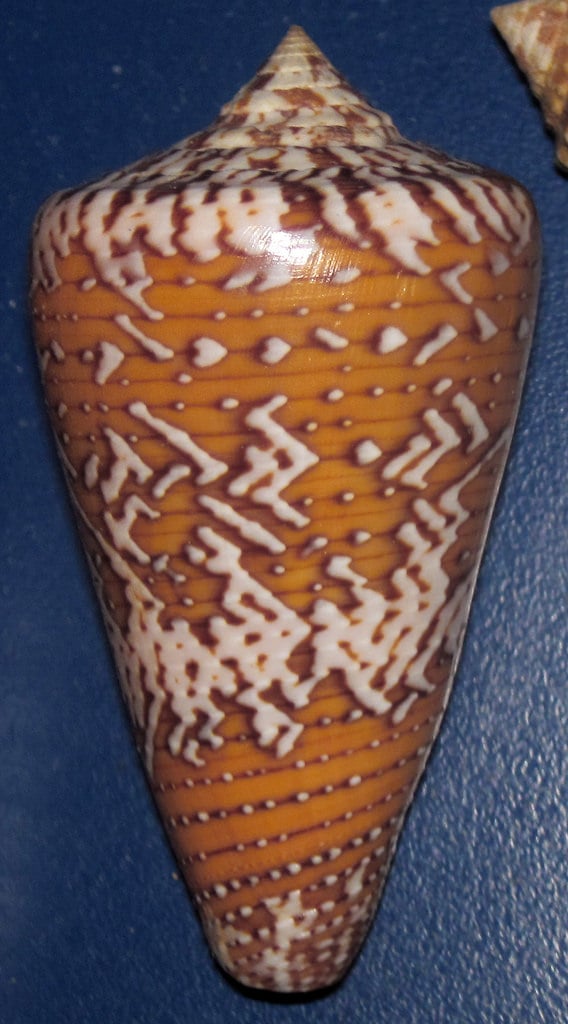
High conopeptide diversity in Conus tribblei revealed through analysis of venom duct transcriptome using two high-throughput sequencing platforms
Barghi N, Concepcion G.P., Olivera B.M., Lluisma A.O.
The venom of each species of Conus contains different kinds of pharmacologically active peptides which are mostly unique to that species.
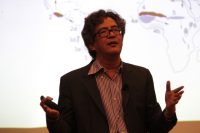
Top PH biologist: Tech, data help us understand species better
New York University dean for science Michael Purugganan talks about mapping genes and genomes and shares insights about evolution and how it helps us understand the world.
By Shaira Panela Rappler.com