

The identification of disease-causing genes provides information about the pathogenesis of heritable eye diseases at the most basic level. Finding the causative gene of a disease helps the patient move beyond the unknown into the world of knowing what they have, what the future might hold, recurrence risk assessment, identification of at risk family members, contact with appropriate support groups, knowledge of what else to look for, and appropriate surveillance screening, and most importantly, the new possibility of gene based treatment.

CRISPR/Cas9 Targeted Genome Editing: Tips and Considerations
The genome found in every cell of our body contains over 20 thousand genes and over 3 billion letters of DNA that sustains life, shapes who we are and determines our risks of having a disease. CRISPR/Cas (clustered regularly interspaced palindromic repeats) is a recently discovered antiviral defence system in bacteria that has become the favorite set of tools to edit and correct any diseased genome and change any sequence of DNA in precisely chosen genomic location performed not in a test tube but within the nucleus of our living cell.

RNA-Seq and RAD-Seq Analysis Training and Workshop
RNA-Seq and RAD-Seq Analysis Training and Workshop by the Core Facility for Bioinformatics
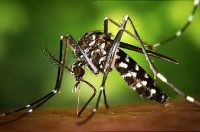
Zika vaccine candidates protect Rhesus monkeys from infection
As athletes from all over the world flock to South America for the 2016 Rio Olympics, several experts have raised concerns about the safety of these athletes, particularly the females, in the face of the Zika outbreak.

TGIF Seminar: August 12, 2016
Held usually at 3:30pm on Fridays, TGIF discussions are informal talks on current scientific topics and events.

Supreme Court Reverses Decision on Bt Eggplant Field Trials
The Supreme Court of the Philippines reversed its previous decision that disallowed the field trials of the genetically modified organism (GMO) Bt talong. The reversal, according to Theodore Te, spokesperson of the Supreme Court, was on the grounds of mootness, or when an issue has lost practical significance in the eyes of the law.

Genetic and Environmental Determinants of Otitis Media in an Indigenous Filipino Population
To identify genetic and environmental risk factors for otitis media in an indigenous Filipino population. Cross-sectional study.Indigenous Filipino community.Clinical history and information on breastfeeding, tobacco smoke exposure, and swimming were obtained from community members.
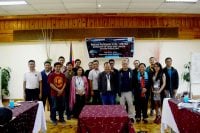
Virus-host immune system modeling
To bring together a group of Filipino scientists who are active or plan on actively working in the research area of virus-host immune modeling, in an environment that is conducive to open and stimulating discussions.

Comparative genomics of cellulolytic shipworm symbionts
Shipworms are marine bivalves that live and feed on wood. These bivalves, like most xylophagous and herbivorous animals, rely on bacterial symbionts to digest the recalcitrant lignocellulose component of plants. What’s unusual about shipworms is that bacterial symbionts are housed intracellularly in the specialized cells in the gills, therefore are not in direct contact with the ingested food particles.