
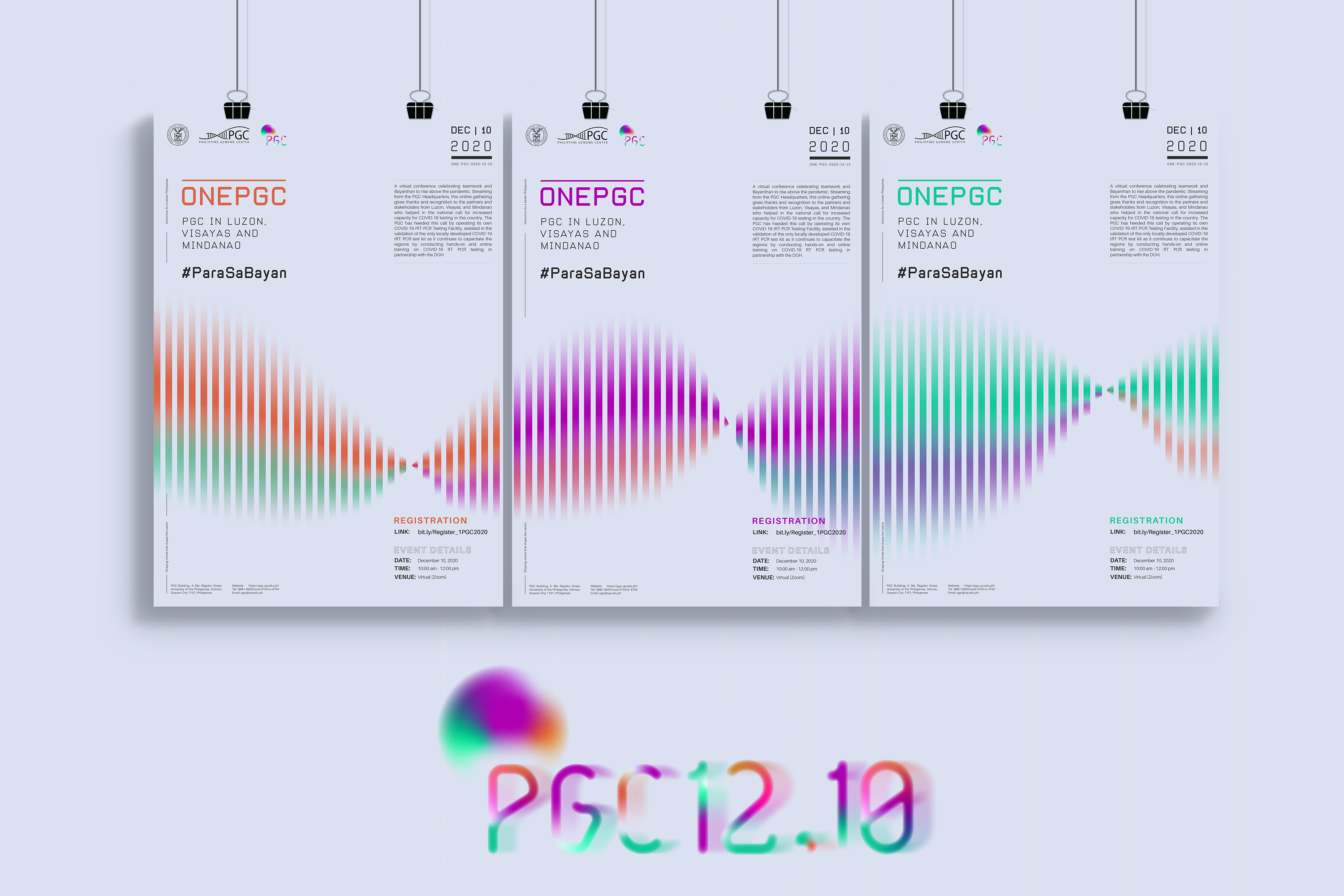
A virtual conference celebrating teamwork and Bayanihan to rise above the pandemic. Streaming from the PGC Headquarters, this online gathering gives thanks and recognition to the partners and stakeholders from Luzon, Visayas, and Mindanao who helped in the national call for increased capacity for COVID-19 testing in the country.
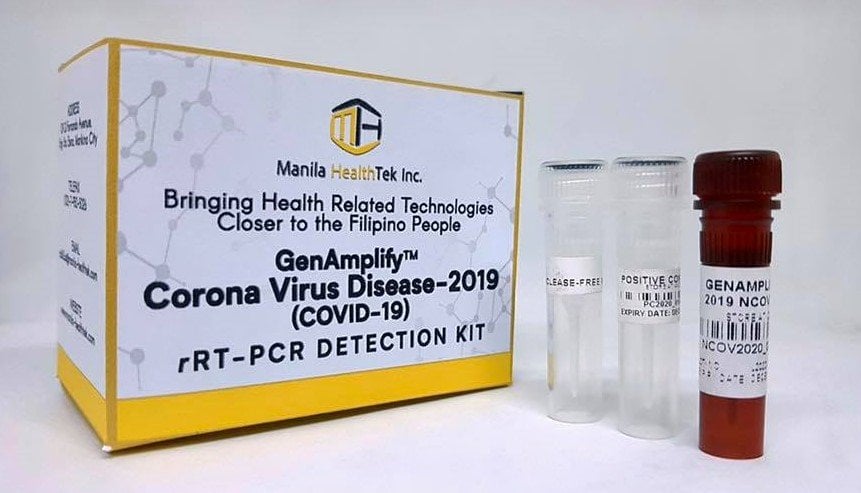
The Philippine Genome Center: Stockpiling for COVID-19
According to PGC Executive Director Cynthia Palmes-Saloma, the kit was made possible after genetic experts from others countries used Next Generation DNA Sequencing in trying to understand the nature of the COVID-19 virus. Among the facilities of the center is its DNA Sequencing Laboratory which was established in 2013.

Overcoming Challenges and Building Opportunities with Bioinformatics
The 2020 Bioinformatics Conference aims to bring together researchers, students, and professionals from the field of genomics and bioinformatics. Themed “#BioInfoPH: Overcoming Challenges, Building Opportunities”—the conference intends to surface the complexities of conducting bioinformatics and genomics research in the Philippines and therein address these challenges through the conference forum.
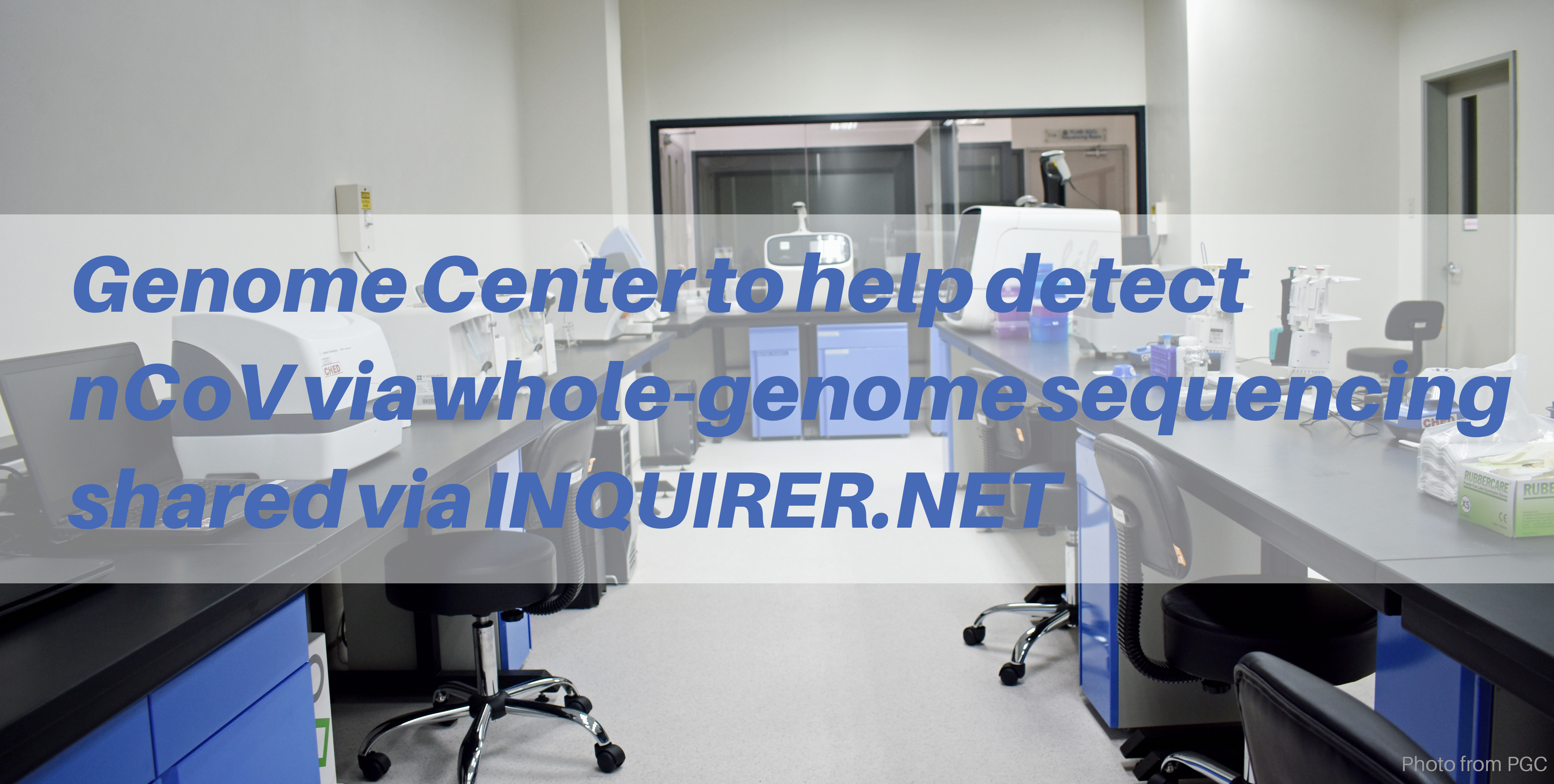
Genome Center to help detect nCoV via whole-genome sequencing
The Centers for Disease Control and Prevention (CDC) describes whole-genome sequencing as a “laboratory procedure that determines the order of bases in the genome of an organism in one process.”
According to CDC, scientists conduct data analysis, which is the fourth step of whole-genome sequencing, to compare “bacterial sequences and identify differences.”
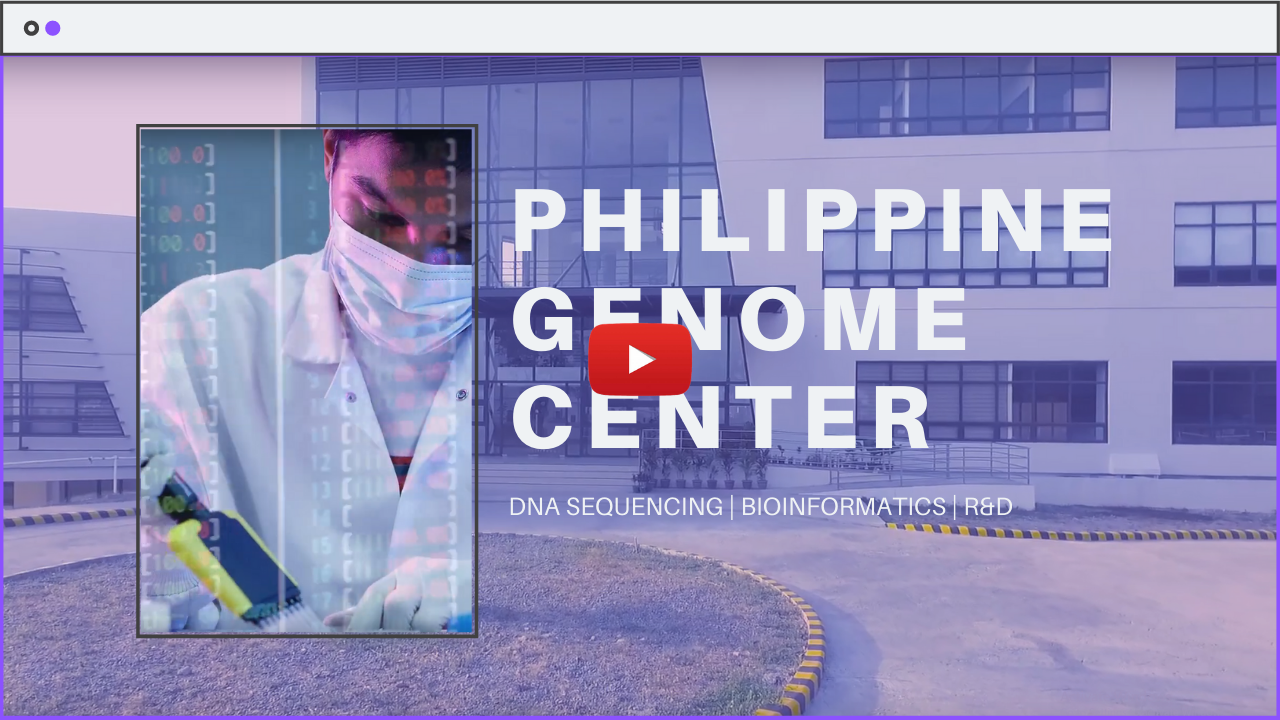
Philippine Genome Center
The Philippine Genome Center is a multidisciplinary research and service unit of the University of the Philippines for health, agriculture, biodiversity, and the environment.
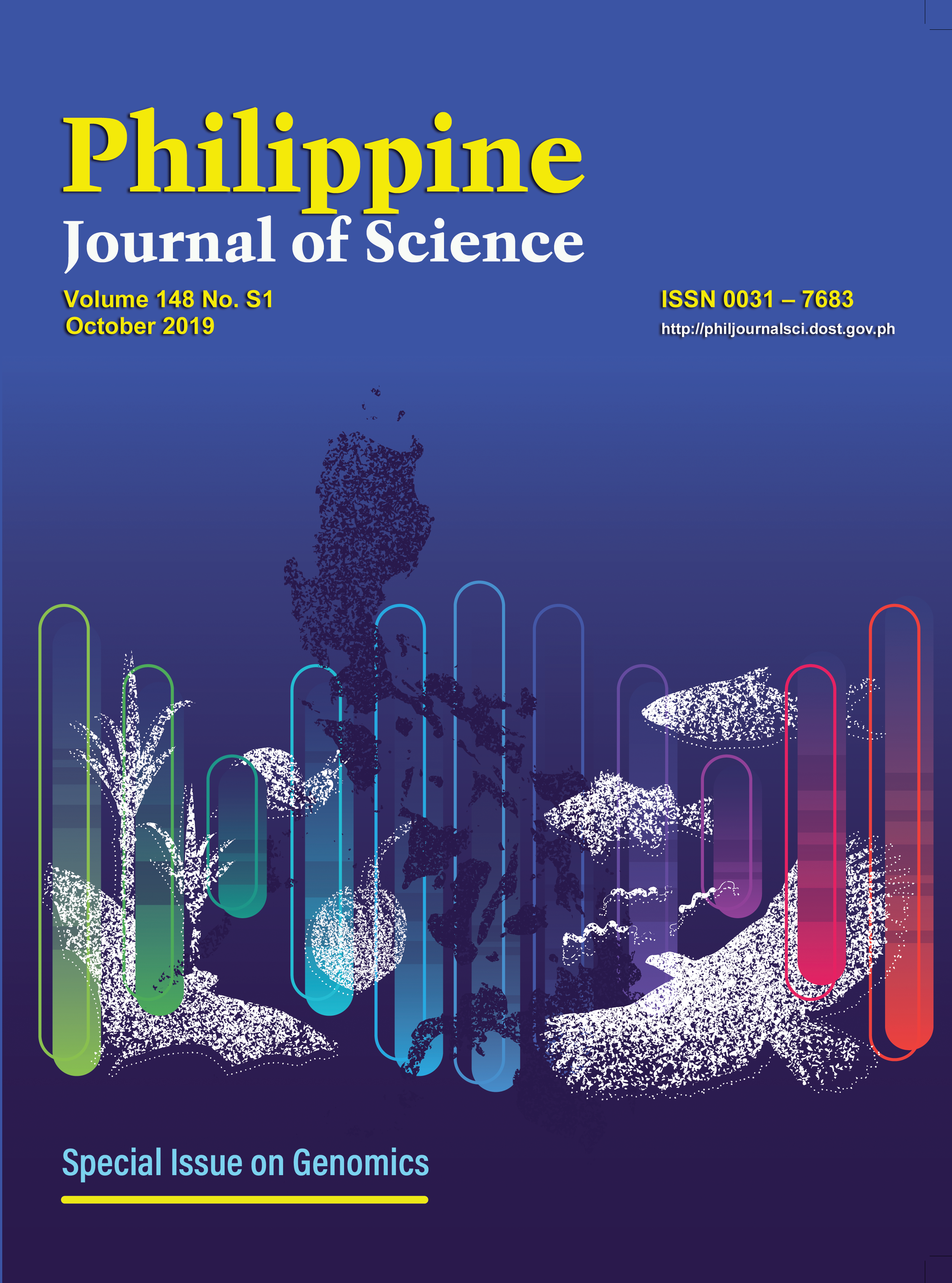
Philippine Journal of Science Special Issue on Genomics
This special issue’s cover is accompanied by the different species covered by the studies in this journal.
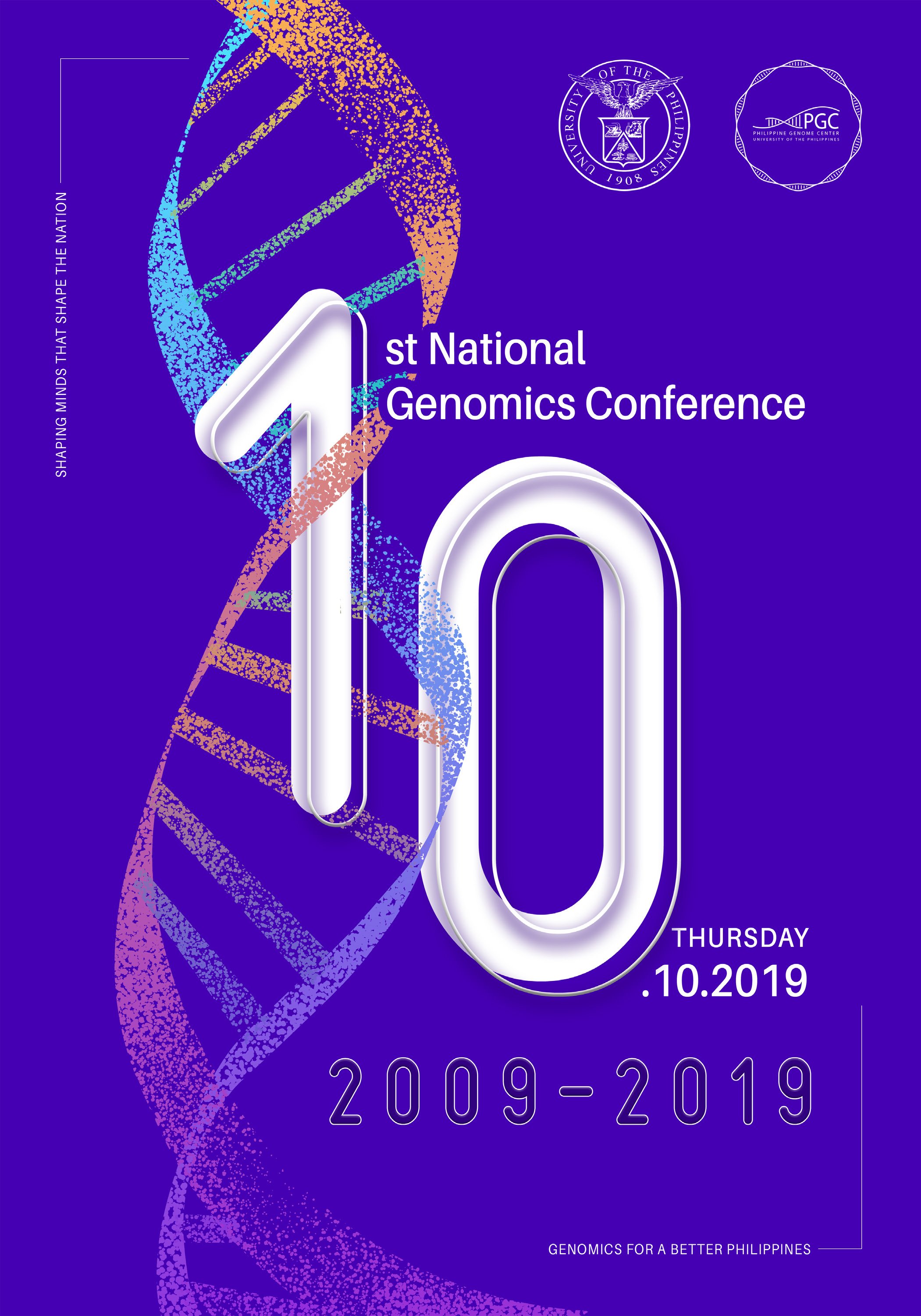
1st National Genomics Conference Souvenir Program
Themed “Omics research in the next 5 years with the Philippine Genome Center”, the conference was organized to showcase the current and ongoing research programs of the Center. By engaging researchers, academics, decision-makers, and other stakeholders, PGC is bringing #PGCTalks to institutions keen on multi-omics research.
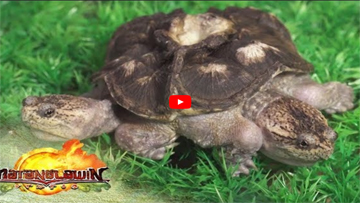
Matanglawin: polycephaly in animals
Dr. Cynthia Saloma during an episode of the TV program, Matanglawin last June 23, 2019 elaborates the rationale behind polycephaly (condition of having more than one head) in animals like the snapping turtle.
Welcome to PGC!
Welcome to the Philippine Genome Center, a genomics-focused multidisciplinary research unit of the University of the Philippines. PGC combines basic and applied research for the development of health diagnostics and therapeutic products and process, and improved agriculture and aquatics resources. It was established during the 1246th UP Board of Regents meeting on July 31, 2009 […]

New DNA facility can keep PH scientists ‘at home’
The series of disease outbreaks the country experienced in 2009 such as the A(H1N1) influenza virus, Severe Acute Respiratory Syndrome and dengue has turned out to have a silver lining as they led to the establishment of a state-of-the art facility devoted to genomics and biotechnology on the University of the Philippines (UP) campus in Diliman, Quezon City.