
This study established the DNA barcodes of 19 economically important Philippine sea cucumbers belonging to Class Holothuroidea under Phylum Echinodermata using the cytochrome c oxidase I (COI) gene.
Early Differential Expression of Galactomannan Biosynthesis Genes in ‘Makapuno’ Coconut (Cocos nucifera L.) revealed by the De Novo Assembly and Analysis of Endosperm Transcriptome
Makapuno is a coconut cultivar with a naturally overproliferating solid endosperm almost filling the nut cavity. At 6-7 months after pollination (MAP), makapuno solid endosperm is phenotypically indistinguishable from the normal type Laguna Tall while at 8-9 MAP makapuno starts to soften and thicken in contrast to the hard and compact appearance of the normal. Here, the expression profiles of 6-7 and 8-9 MAP de novo assembled RNA Sequencing (RNA-Seq) transcriptomes of normal and makapuno were analyzed, and corresponding stages were compared to determine the differentially expressed genes (DEGs).
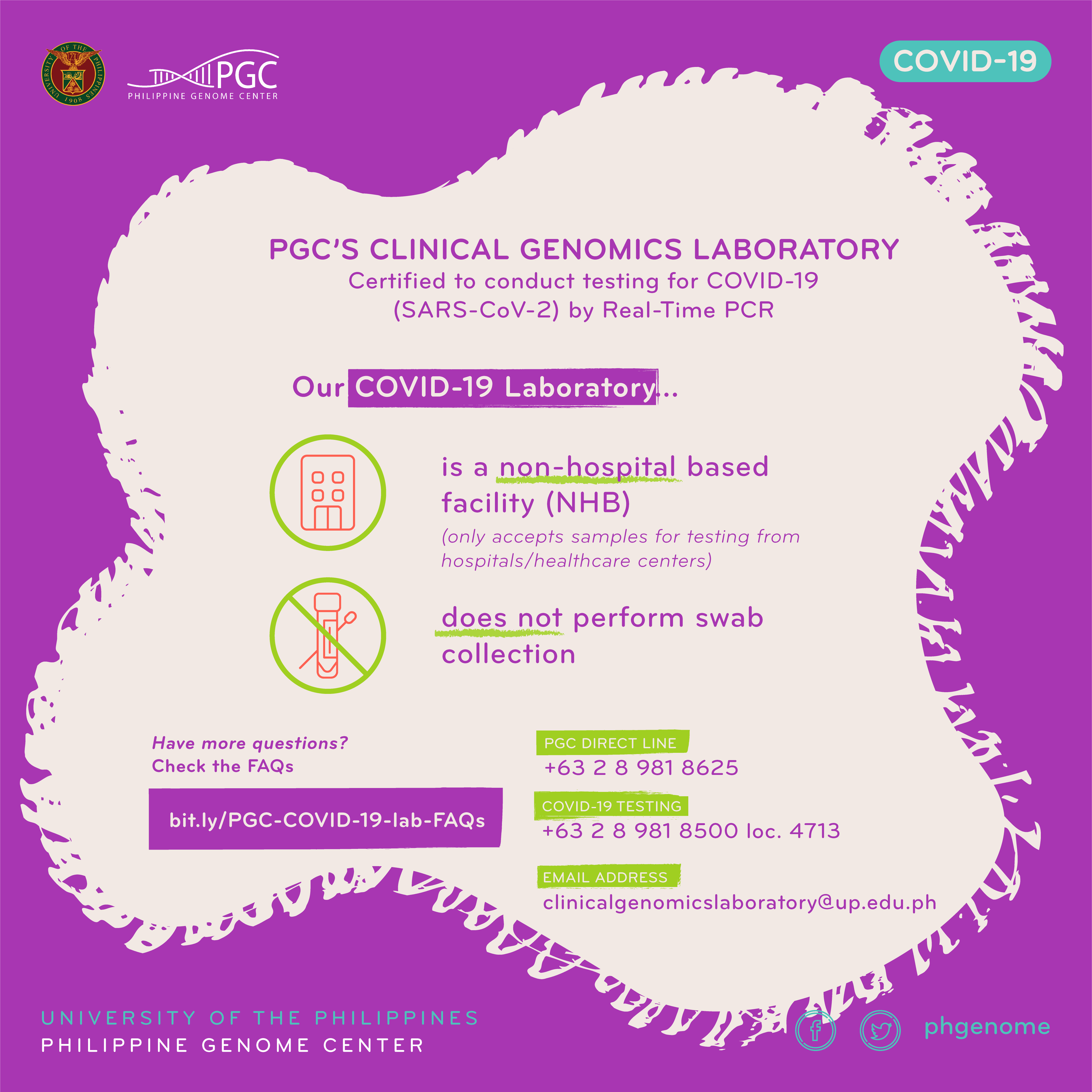
PGC’s COVID-19 Laboratory is a non-hospital based facility (NHB)
PGC’s Clinical Genomics Laboratory certified to conduct testing for COVID-19 (SARS-CoV-2) by Real-Time PCR is a non-hospital based facility (NHB)
Transcriptome Analysis of ‘Philippine Lono Tall’ Coconut (Cocos nucifera L.) Endosperm Reveals Differential Expression of Genes Involved in Oil Biosynthesis
The ‘Philippine Lono Tall’ (PLNT) is a variant of the more common ‘Philippine Laguna Tall’ (LAGT), which produces fruits with soft endosperm and reported higher fat content. To understand patterns of fatty acid (FA) and oil accumulation in LAGT and PLNT fruits, transcriptomes of 6–7 month-old endosperm samples were analyzed by RNA-Seq. Quantitative PCR was performed to analyze the differential expression of selected genes related to oil biosynthesis. Further, oil samples from the PLNT endosperm were analyzed to determine their FA composition across developmental stages.
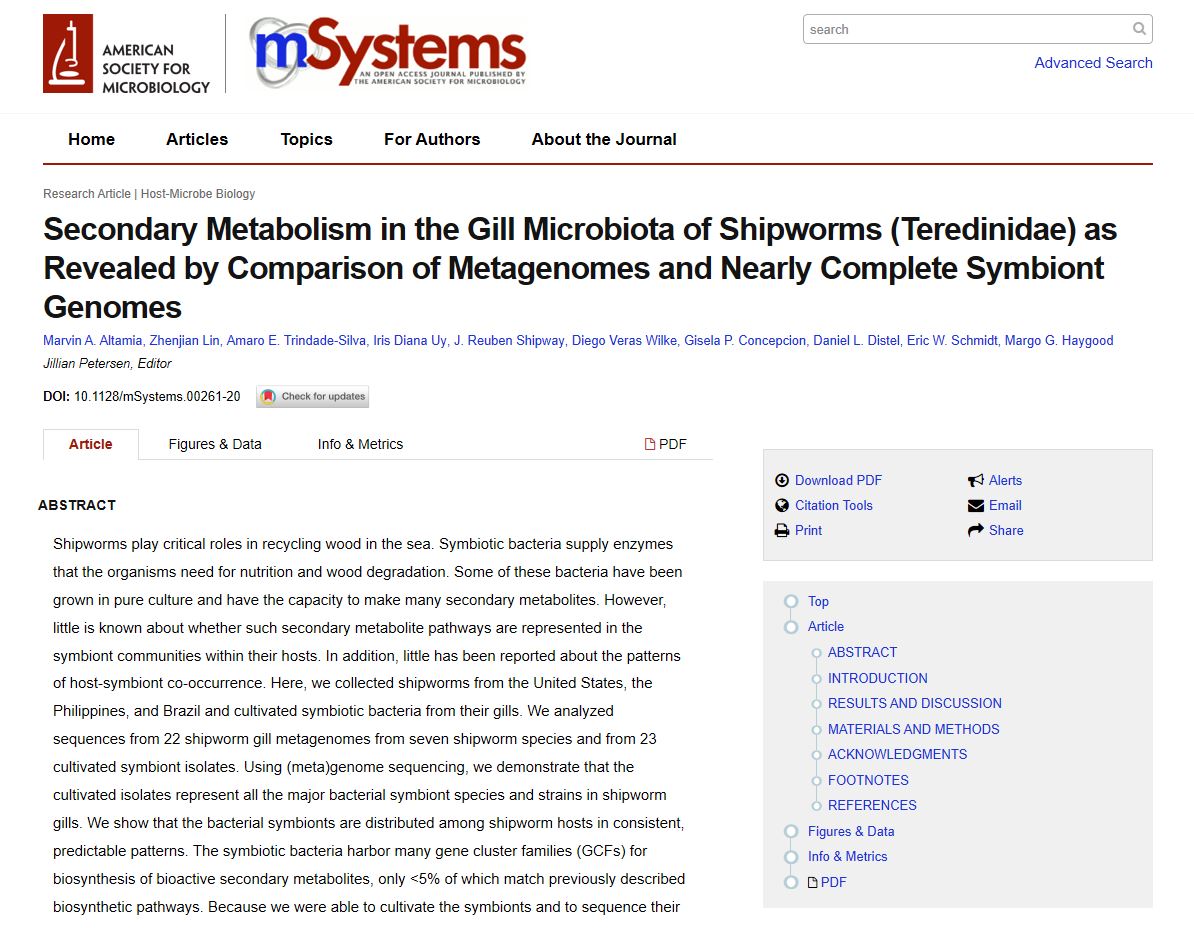
Secondary Metabolism in the Gill Microbiota of Shipworms (Teredinidae) as Revealed by Comparison of Metagenomes and Nearly Complete Symbiont Genomes
Shipworms play critical roles in recycling wood in the sea. Symbiotic bacteria supply enzymes that the organisms need for nutrition and wood degradation. Some of these bacteria have been grown in pure culture and have the capacity to make many secondary metabolites. However, little is known about whether such secondary metabolite pathways are represented in the symbiont communities within their hosts.

COVID-19 Safety Tips & Precautions
PGC shares its COVID-19 laboratory safety tips and precautions through the illustrations below.