

What the PGC can learn from the Broad Institute of Harvard/MIT & Genome Institute of Singapore
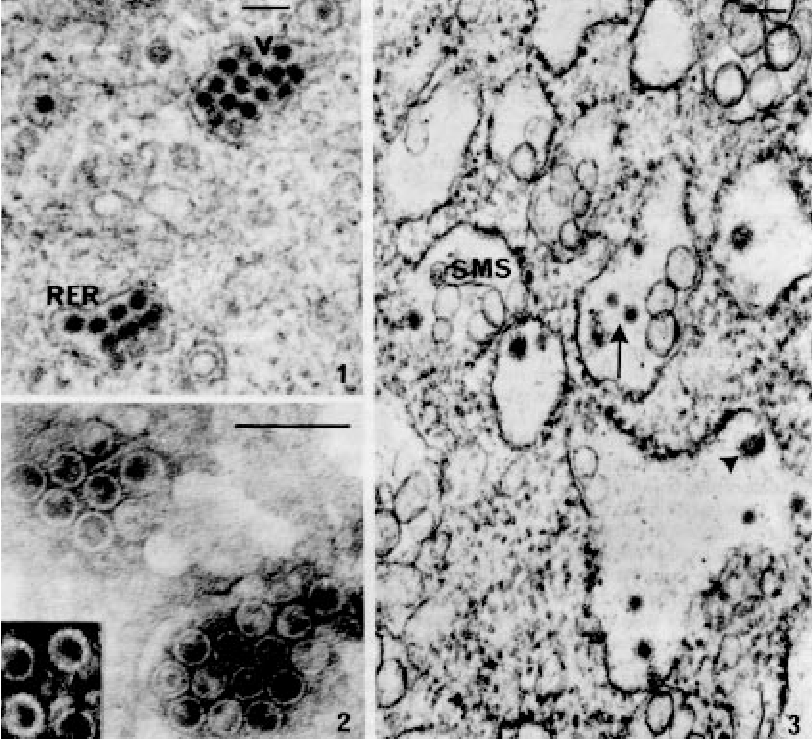
Towards a Better Understanding of Dengue Disease (DF/DHF/DSS)
“Towards a Better Understanding of Dengue Disease” a webinar by Joeriggo Reyes
“Within-host” (intracellular) mathematical models of Dengue
A webinar on “”Within-host” (intracellular) mathematical models of Dengue”
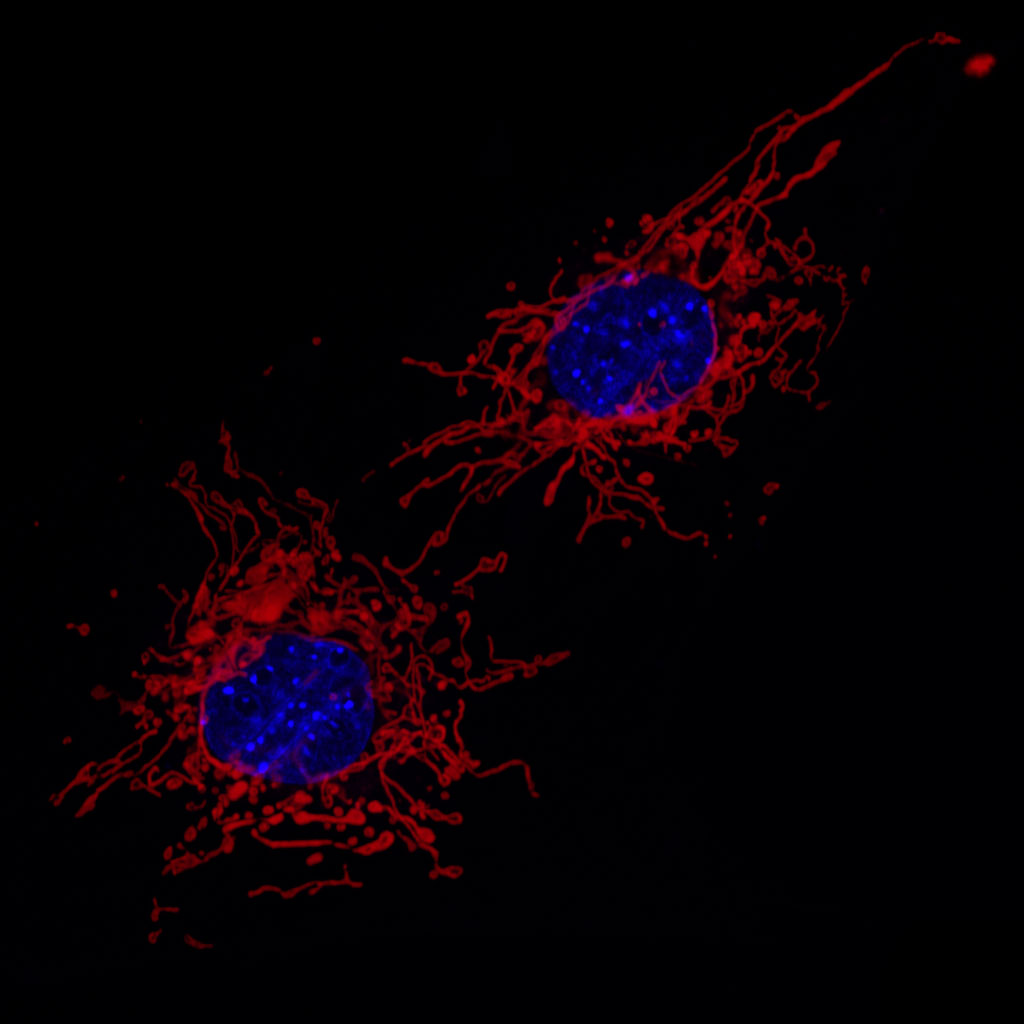
Characterization of the complete mitochondrial genome of Conus tribblei Walls, 1977.
The genus Conus sensu lato consists of 500-700 species. However, the mitochondrial genomes of only few species have been fully sequenced and reported so far.
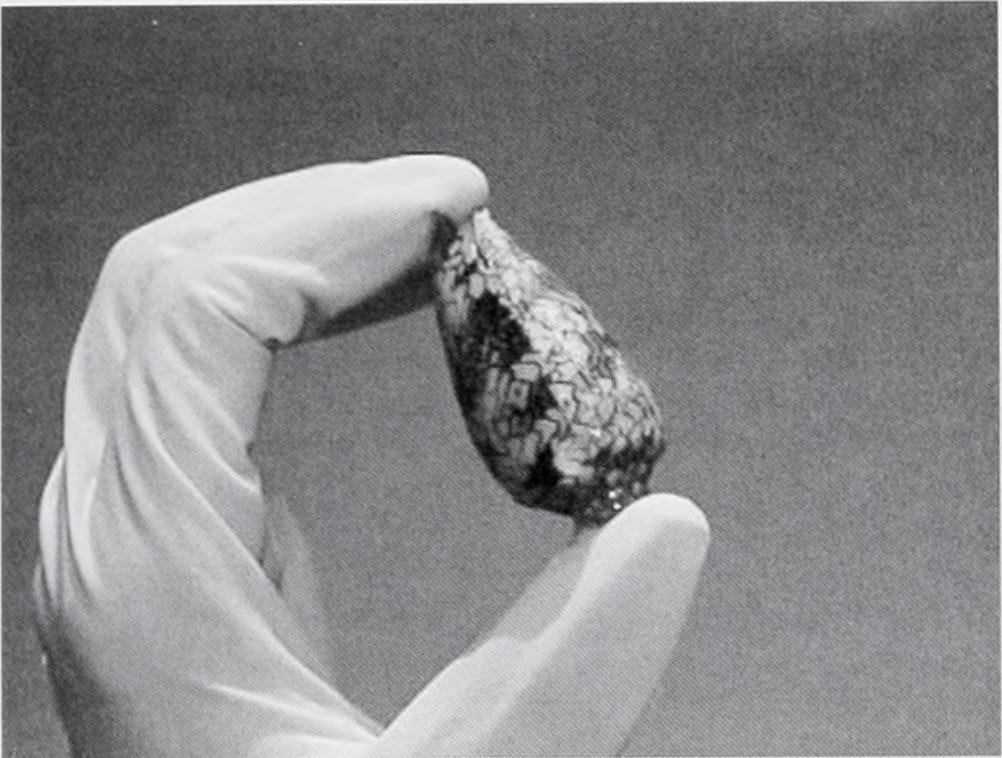
Structural features of conopeptide genes inferred from partial sequences of the Conus tribblei genome
An impressive biodiversity (>10,000 species) of marine snails (suborder Toxoglossa or superfamily Conoidea) have complex venoms, each containing approximately 100 biologically active, disulfide-rich peptides.
Informatics in Biomedical Research & Health
A workshop on “Informatics in Biomedical Research & Health”
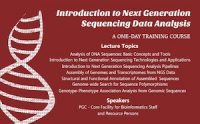
Introduction to Next Generation Sequencing Data Analysis (UP Manila, Sept. 2015)
Introduction to Next Generation Sequencing Data Analysis
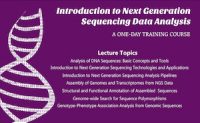
Introduction to Next Generation Sequencing Data Analysis (CSRC, Sept. 2015)
Introduction to Next Generation Sequencing Data Analysis

Comparing different post-mortem human samples as DNA sources for downstream genotyping and identification
The capability of DNA laboratories to perform genotyping procedures from post mortem remains, including those that had undergone putrefaction, continues to be a challenge in the Philippines, a country characterized by very humid and warm conditions all year round.
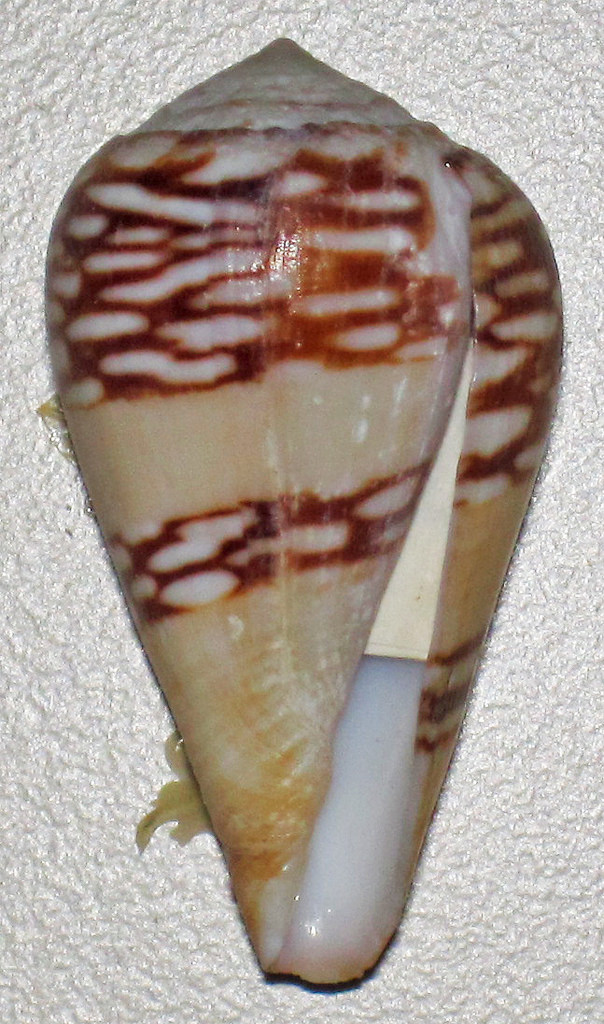
Comparison of the Venom Peptides and Their Expression in Closely Related Conus Species: Insights into Adaptive Post-speciation Evolution of Conus Exogenomes
Genes that encode products with exogenous targets, which comprise an organism’s “exogenome,” typically exhibit high rates of evolution.