
The first comprehensive conservation genomics study on the Philippine Eagle is providing insights into the diversity of its captive and wild populations, as well as valuable information that can guide future breeding and conservation efforts. Read the study here: https://www.nature.com/articles/s41598-026-76205-5
Manila, Philippines—The Philippine Eagle (Pithecophaga jefferyi), one of the world’s rarest eagles, is the country’s National Bird and its largest forest raptor. Listed as critically endangered since 1994 by the International Union for Conservation of Nature and Natural Resources (IUCN), the Philippine Eagle continues to face habitat loss, slow reproduction cycles, and human encroachment.
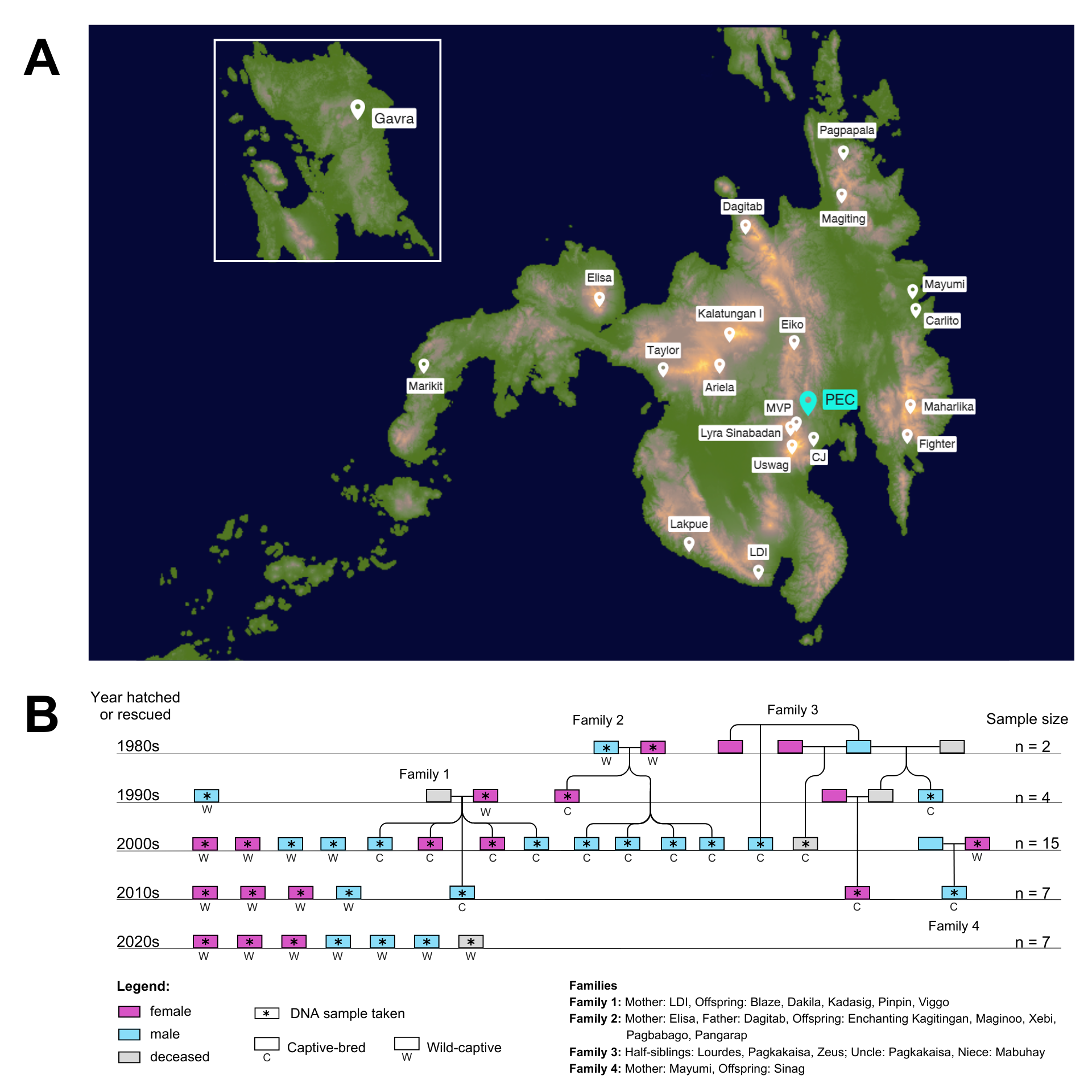
Aiming to address these challenges, the University of the Philippines Philippine Genome Center (UP PGC) and the Philippine Eagle Foundation (PEF) conducted a collaborative study investigating the genome-wide single-nucleotide polymorphism (SNP) profiles of 20 wild-captive and 15 captive-bred individuals under the care of the PEF. This biodiversity genomics feat in the Philippines presents a master blueprint for using Genomics to safeguard not only the Philippine Eagle, but other endangered species across the archipelago.
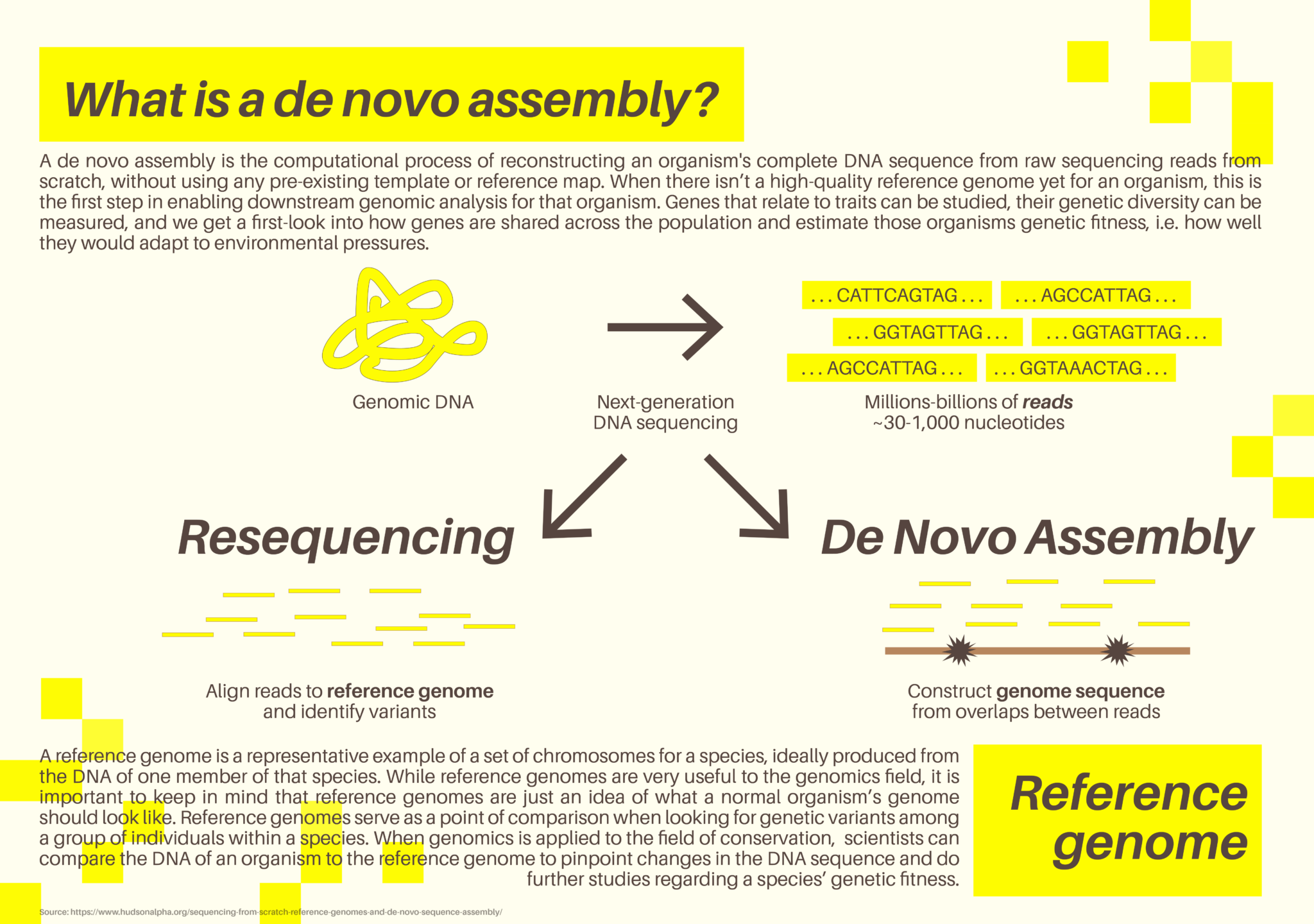
Researchers quality-filtered and aligned sequence reads to a previously generated Philippine Eagle reference genome.
See also: Genomic analysis reveals recent population decline and exceptionally low genome-wide heterozygosity of the critically endangered Philippine eagle, Pithecophaga jefferyi (Aves: Accipitridae): In this paper, Demographic history reconstruction revealed two historical bottlenecks and an ongoing population decline, suggesting that unobserved natural or anthropogenic factors might have led to declines in the Philippine Eagle population long before current habitat degradation. Genome-wide heterozygosity in the Philippine Eagle was also measured to be the lowest among raptors, highlighting its precarious genetic state.
Population structure, isolation by distance (IBD), inbreeding, and relatedness were also assessed by identifying SNPs across 35 individuals. The analysis shows that wild-captive eagles follow an IBD pattern and that genetic distance tends to increase with geographic distance. All genomic insights have been turned over to the PEF and included in its latest recommendations for the Eagles’ Species Action Plan: continued genetic monitoring of future generations of Philippine Eagles is a welcome possibility to safeguard its population.

Further findings point to higher levels of inbreeding among wild-captive eagles compared to those bred in captivity. This suggests limited access to genetically diverse mates in the wild and solidifies the PEF’s successful efforts to minimize inbreeding. Equally important, kinship analysis reinforces the IBD model by confirming known first-degree relationships among captive-bred eagles and uncovering novel kinships among wild-captive individuals. This first comprehensive conservation genomics study on the Philippine Eagle provides these crucial insights into the diversity of the Philippine Eagle’s captive and wild populations, supporting the PEF’s captive breeding and rehabilitation efforts.
The PEF and UP PGC continue to work together in conducting research that can guide future breeding and conservation efforts. With these first flights of the Philippine Eagle studies, the researchers hope to inspire other Filipino research institutions to investigate the molecular data of the endemic species in their regions and produce insights that could help their conservation.
The Philippines is blessed with one of the world’s most diverse flora and fauna, roaming across the land, swimming under the sea, and soaring through the skies.

About the Research
Pascual, F., Perdon, D.M., Tablizo, F. et al. Genomic diversity, population structure, and relatedness of critically endangered Philippine eagles under conservation management. Sci Rep (2026). https://doi.org/10.1038/s41598-026-76205-5
Perdon, D. M., Pascual, F., Tablizo, F., Lapid, C., Egana, J. M., Mantaring, R. J., … & Saloma, C. P. (2026). Genomic analysis reveals recent population decline and exceptionally low genome-wide heterozygosity of the critically endangered Philippine eagle, Pithecophaga jefferyi (Aves: Accipitridae). BMC genomics, 27(1), 514.
The Philippine Eagle Foundation (PEF) was established in 1987 with a purpose: to save the critically endangered Philippine Eagle and protect its natural habitat. To know more about PEF and its mission, visit: https://www.philippineeaglefoundation.org/
