PGC attends One Health Genomic Surveillance for HPAI workshop
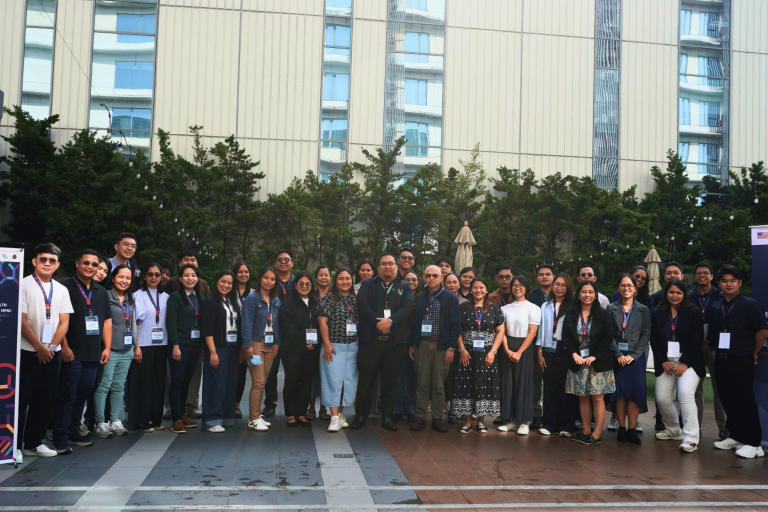
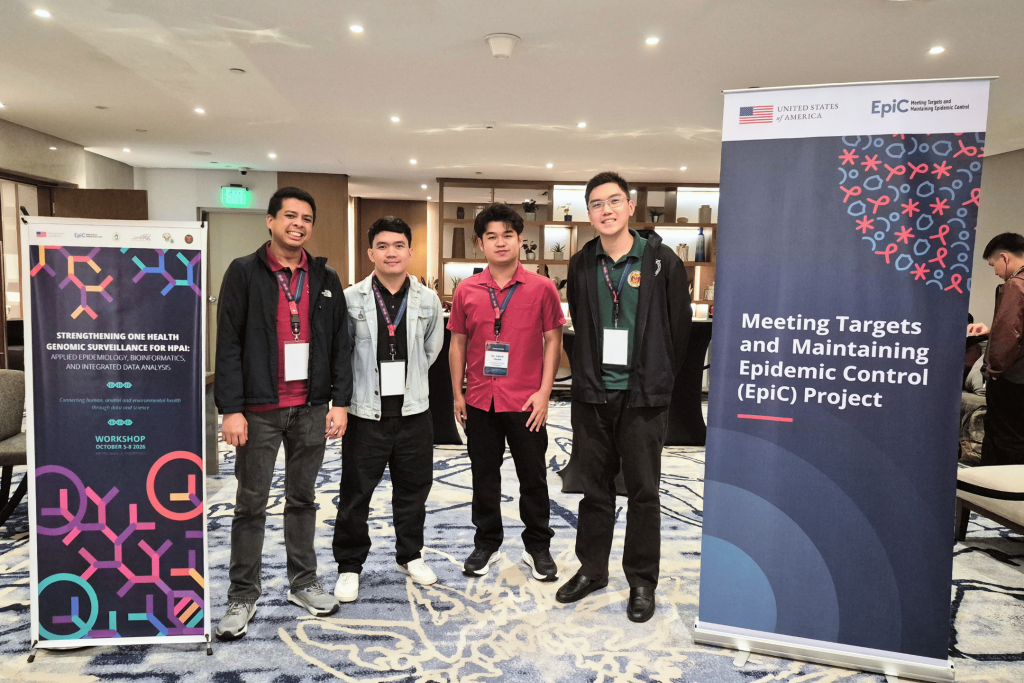
Pasay City, Philippines | October 5–8, 2026. Through the U.S. Government-funded Meeting Targets and Maintaining Epidemic Control (EpiC) Project – Global Health Security (GHS), a training-workshop entitled “Strengthening One Health Genomic Surveillance for HPAI: Applied Epidemiology, Bioinformatics, and Integrated Data Analysis” was conducted on October 5–8, 2026, at Citadines Bay City Manila, Pasay City, Philippines.
The workshop was organized by the EpiC Project – GHS in collaboration with the Department of Health (DOH) – Research Institute for Tropical Medicine (RITM), the University of the Philippines – Philippine Genome Center (UP-PGC), the Department of Agriculture (DA) – Bureau of Animal Industry (BAI), and the University of the Philippines Visayas (UPV).
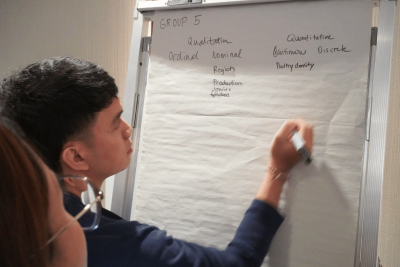
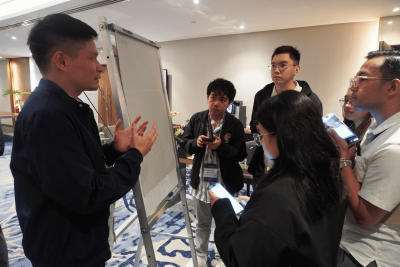
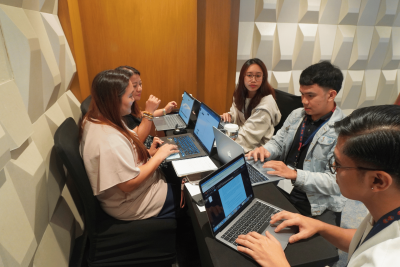
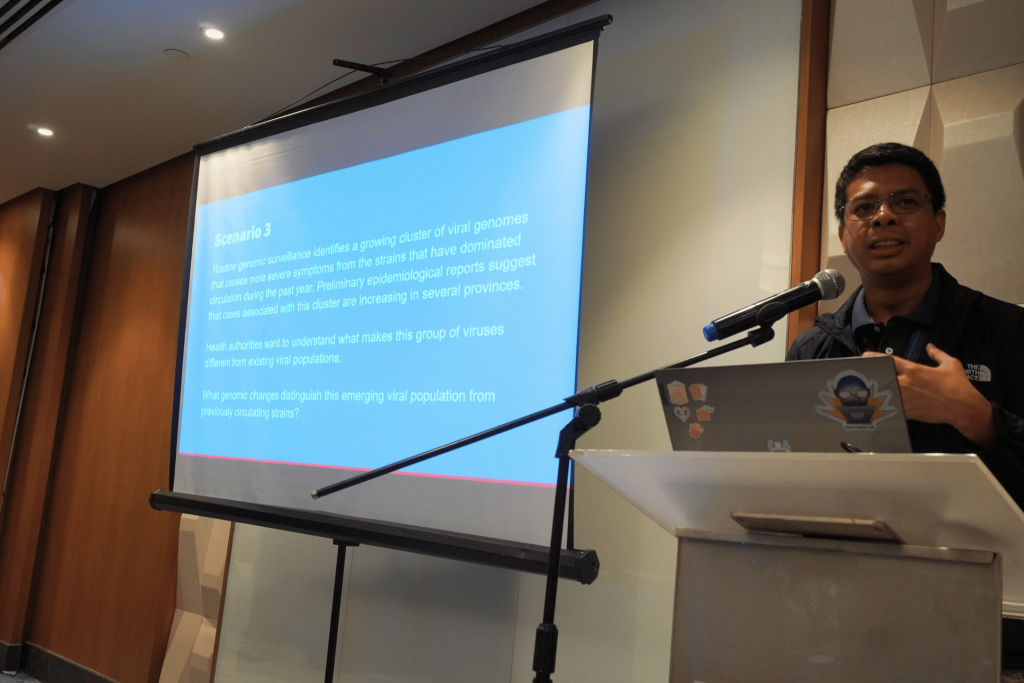
The four-day training-workshop brought together researchers and human and animal health experts from various institutions across the Philippines for an intensive program of expert-led lectures and hands-on training. The training aimed to strengthen participants’ capacities in applied epidemiology and bioinformatics, equipping them with the technical skills to analyze, integrate, and interpret genomic data to support One Health surveillance and response efforts for highly pathogenic avian influenza (HPAI). Designed for participants ranging from those with no prior experience to those with beginner and intermediate levels of proficiency, the training provided an accessible and structured learning environment for developing and enhancing knowledge and practical skills in bioinformatics.
The program introduced participants to:
Sequencing technologies and bioinformatics – basic molecular biology, sequencing technologies, and bioinformatics principles and workflows
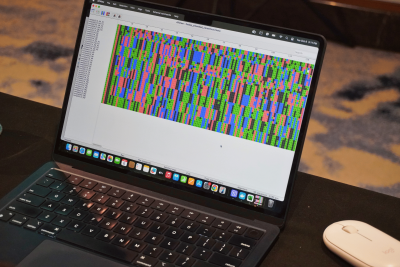
Molecular phylogenetics – sequence alignment, nucleotide substitution model testing, phylogenetic reconstruction, tree interpretation, and analysis of evolutionary relationships
Genome assembly and genomic characterization – influenza genome assembly and genomic characterization (clade/lineage identification)
Metagenomics – metagenomic workflows, taxonomic profiling, community analysis, and interpretation
Epidemiology and epidemiological data analyses – fundamental epidemiological concepts and introductory methods for analyzing and interpreting epidemiological data
Among the training lecturers and hands-on activity facilitators was Francis Tablizo, University Researcher (Senior Bioinformatics Specialist) at PGC’s Core Facility for Bioinformatics, who delivered lectures on “Introduction to Sequencing Technologies and Bioinformatics” and “Introduction to Molecular Phylogenetics.”
Karl Angelo Tenizo, Science Research Associate at PGC Visayas’s Bioinformatics and Data Management Laboratory, and Marcus Allan Gil So, Junior Research Analyst in PGC’s Research & Development Team, also joined the training as participants.
Through initiatives such as this training-workshop, EpiC-GHS and its partner institutions, including PGC, aim to strengthen the country’s capacity for One Health genomic surveillance, enhance data integration, and foster multisectoral collaboration to support HPAI preparedness and health security in the Philippines.
(Photos from the EpiC-GHS Project)
Visit thispage for more information on PGC research services. For collaboration inquiries, reach out to [email protected].